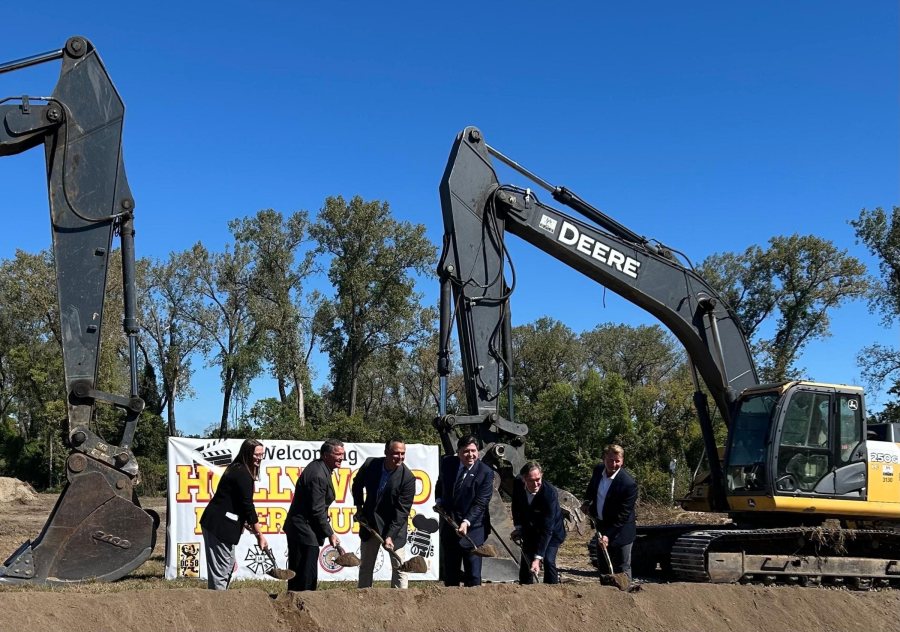

California Proposes $1 Billion Film Tax Credit to Bring Productions Back to Hollywood
Governor Gavin Newsom is seeking another major expansion of California's film and television incentive program, with new provisions for independent films, above-the-line talent and studios committing to multiple productions.
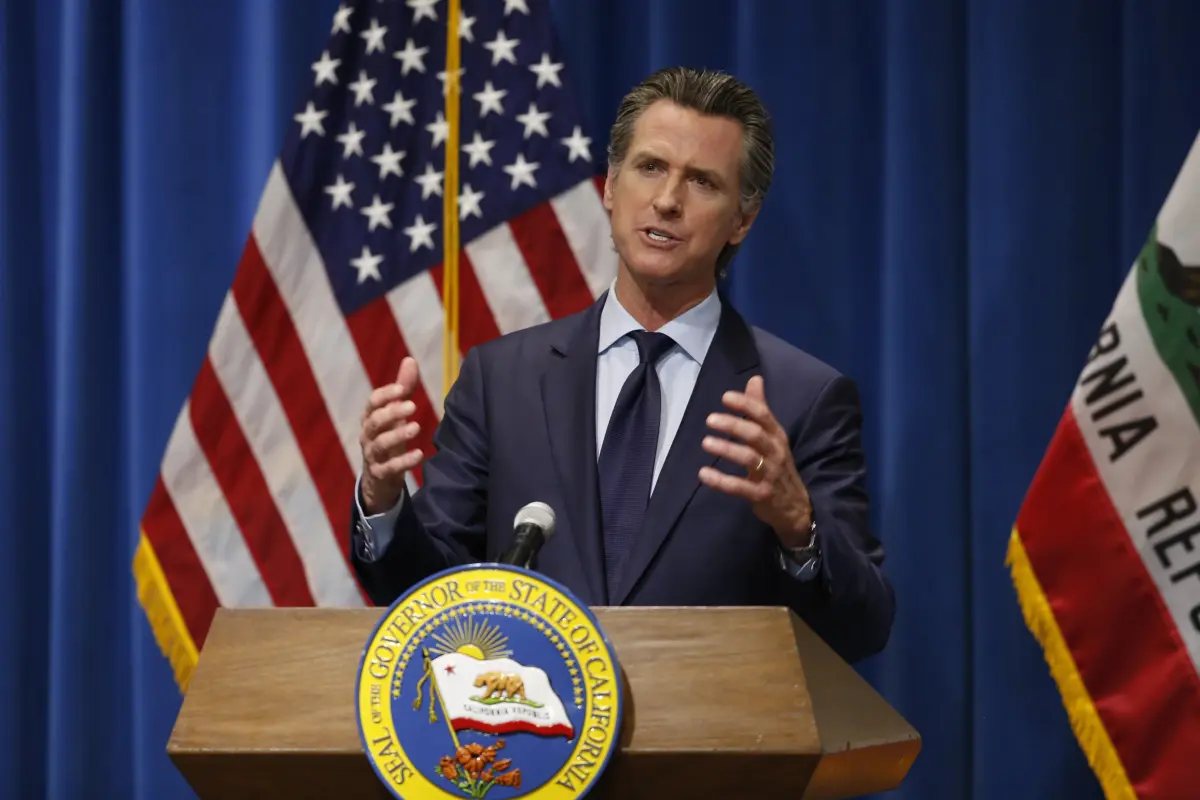
California Governor Gavin Newsom has proposed increasing the state's annual film and television tax credit program from $750 million to at least $1 billion, marking another major effort to keep productions and entertainment jobs in Hollywood.
Announced November 2, 2026, the proposal would expand eligibility, provide additional support for independent productions and extend the incentive program through 2040.
If approved, California would operate the largest capped film and television tax credit program in the United States.
The announcement comes as the state faces continued competition from domestic and international production destinations offering substantial financial incentives.
What's Included in the Proposal?
The proposed expansion would introduce several changes to California's existing incentive structure.
Annual funding would increase from $750 million to at least $1 billion.
Independent film funding would rise to $100 million annually, an increase of $26 million over the current allocation.
The program would also expand eligibility to include certain above-the-line expenses, including compensation for leading creative talent, subject to funding caps.
Companies committing to at least two separate qualifying California productions could receive an additional 5% tax credit incentive.
The proposal would also extend the program's authorization through 2040, offering studios greater long-term predictability when planning future productions.
These changes have been proposed but have not yet been enacted.
California's Previous Expansion
The announcement follows a significant increase in California's film and television incentives in 2025, when annual funding rose from $330 million to $750 million.
According to the Governor's Office, the expanded program has generated substantial interest from producers.
State officials reported an 82% increase in applications compared with the previous year.
The administration also cited $8.25 billion in direct production spending associated with the expanded program, including $5.3 billion in qualified expenditures and $3.2 billion in qualified wages.
Those figures represent the administration's reported program results and should not be interpreted as a guarantee of similar outcomes from the newly proposed expansion.
What It Could Mean for Production Businesses
A larger incentive program could affect businesses throughout California's entertainment production industry.
When a studio chooses where to film, the decision influences much more than the location of its cameras.
Productions require costume departments, prop suppliers, set construction companies, transportation providers, storage facilities and numerous specialized vendors.
A sustained increase in production activity could create additional demand for these services.
It could also influence the volume of physical production assets requiring inventory, storage, transportation and disposition after filming concludes.
For businesses operating in the studio asset management sector, production activity can have consequences long after principal photography ends.
The National Competition for Filming
California's proposal arrives during a broader debate over the movement of film and television production.
Other states and international jurisdictions continue competing for major studio projects through tax credits, rebates and production infrastructure investments.
Newsom has also renewed his support for proposed federal legislation that would establish a film and television production tax credit.
The proposed federal incentive would be separate from California's program and could potentially complement state-level incentives if enacted.
Neither the proposed California expansion nor the federal legislation should be treated as an existing benefit until the relevant approvals are completed.
What Happens Next?
The proposed expansion will require legislative action before the new funding and eligibility provisions can take effect.
Studios, production companies and industry service providers will be watching closely as California considers the next phase of its film incentive program.
For Hollywood, the stakes extend beyond the financial calculations behind individual productions.
The decision could influence where future films and television series are made, where crews find work and where the physical infrastructure of the entertainment industry continues to develop.