
A New Home for Movie History: The Lucas Museum Opens Tomorrow
The Lucas Museum of Narrative Art opens in Los Angeles on September 22, bringing props, costumes, concept art and decades of filmmaking history into a museum built to celebrate the art of storytelling.
Tomorrow, a new museum opens its doors in Los Angeles—and for anyone who believes movie props, costumes and production artifacts deserve to be preserved as pieces of history, it is a significant moment.
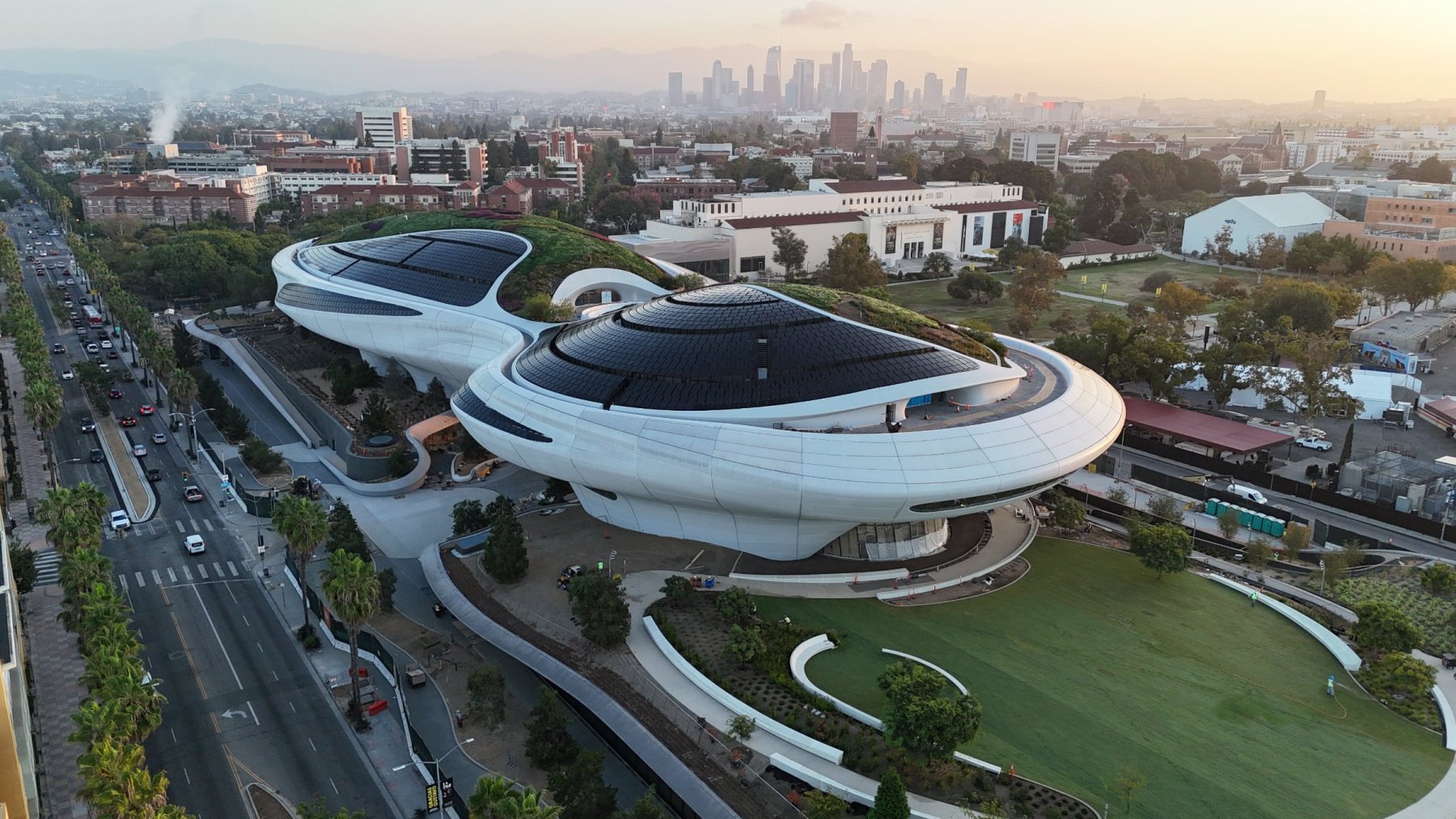
The Lucas Museum of Narrative Art officially opens to the public September 22, 2026, in Los Angeles' Exposition Park.
Founded by George Lucas and Mellody Hobson, the museum isn't simply a Star Wars museum. Its collection explores visual storytelling across centuries, bringing together paintings, illustrations, comics, photography, murals and cinema.
But for film fans and collectors, one part of the museum is particularly exciting.
Original objects created to make movies are being treated as what they truly are: artifacts of our cultural history.
More Than 40,000 Works
The Lucas Museum's permanent collection includes more than 40,000 works devoted to narrative art.
Its 300,000-square-foot building contains approximately 100,000 square feet of gallery space across more than 30 galleries.
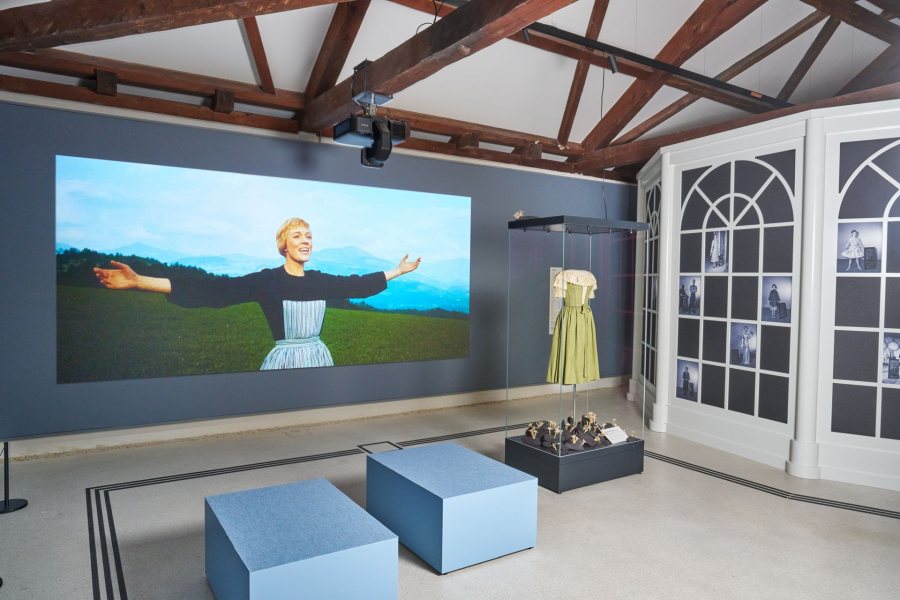
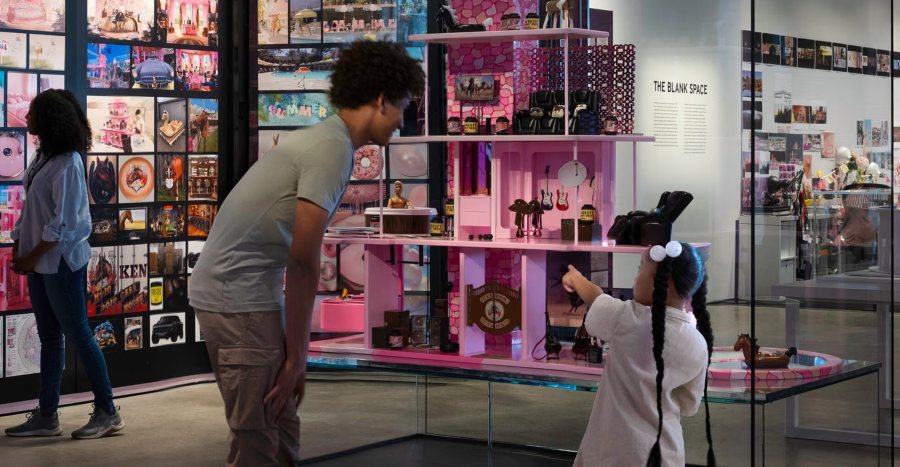
Visitors will encounter everything from traditional artwork and illustration to comics and objects connected to filmmaking.
It is an unusually broad definition of art—and that is precisely what makes the museum interesting.
A painting can tell a story.
A comic-book panel can tell a story.
And so can a costume created for an actor or a prop fabricated for a movie set.
Star Wars in Motion
For movie fans, one of the most anticipated opening exhibitions is Star Wars in Motion.
Drawn from the museum's founding collection, the exhibition explores vehicles and movement throughout the first six Star Wars films through original designs, illustrations, costumes and physical props.
Among the objects is Luke Skywalker's Landspeeder from Star Wars: Episode IV – A New Hope.
Visitors will also encounter the first physical build of General Grievous' Wheel Bike from Star Wars: Episode III – Revenge of the Sith.
These objects were never originally created to sit inside a museum.
They were tools of filmmaking.
Artists, designers, fabricators and craftspeople created them because a story needed something physical in front of a camera.
Decades later, their purpose has changed.
They have become historical artifacts.
Inside the Lucas Archives
Behind many of these objects is another remarkable story: the Lucas Archives.
The archive was established at Skywalker Ranch in 1983 as production on Return of the Jedi came to an end.
Rather than allowing decades of production history to slowly become separated, discarded or forgotten, material was preserved.
The collection eventually grew to encompass more than four decades of filmmaking and includes objects and artwork connected with the first six Star Wars films, the first four Indiana Jones films and other Lucas productions.
George Lucas donated the archive to the Lucas Museum in 2013.
For collectors, the existence of an archive like this demonstrates something extremely important.
Saving the object is only part of preservation.
Saving its history matters too.
Why Production Archives Matter
Imagine discovering an unusual piece of machinery in a warehouse 40 years after a movie was made.
Without documentation, what is it?
Who made it?
Which production used it?
Was it actually photographed?
Was it a prototype?
Was another version ultimately used instead?
Those questions become increasingly difficult to answer as crew members retire, companies close, warehouses move and paperwork disappears.
An organized production archive preserves context alongside the object.
Inventory records, photographs, drawings, labels, concept artwork and other production materials can help future researchers understand exactly how something fits into the filmmaking process.
That context can transform an unidentified object into a documented piece of entertainment history.
Movie Props Were Once Considered Disposable
The modern appreciation for original movie props and costumes is relatively young.
For much of Hollywood history, these objects were working materials.
Sets were dismantled.
Props were reused.
Costumes returned to rental houses or were altered for another production.
Objects could be placed into storage, given away, sold or discarded.
Studios weren't necessarily thinking about what collectors or museums might want decades later.
After all, nobody creating an ordinary background prop in 1977 could know whether fans would still be studying it half a century later.
That makes the objects that survived even more fascinating.
A Prop Can Be Art
Collectors have understood this concept for years.
A beautifully fabricated hero prop can contain sculpture, painting, engineering and graphic design.
A movie costume can represent the combined work of a designer, tailor, cutter, textile artist, aging department, dresser and performer.
Even an apparently insignificant piece of set dressing contributes to the illusion of a world that never actually existed.
Yet these objects have historically occupied an unusual position.
Are they memorabilia?
Are they collectibles?
Are they movie souvenirs?
Or are they art?
The Lucas Museum makes a compelling argument that those categories don't have to be mutually exclusive.
An object created to tell a story can also be worthy of serious preservation.
The People Behind the Props
There is another reason preserving production material matters.
A famous movie prop may become associated with the actor who held it or the character who used it.
But someone had to make it.
Production designers, costume designers, prop makers, model makers, painters, sculptors, seamstresses, tailors, graphic designers, special-effects artists and countless other craftspeople create the physical worlds audiences see on screen.
The finished movie gives us the illusion.
The surviving objects allow us to study how that illusion was built.
Turn a costume inside out and you may discover alterations made specifically for an actor.
Examine a prop closely and you might see repairs, markings or construction techniques invisible on camera.
Study concept artwork beside the finished object and you can watch an idea evolve from paper into something physical.
That is filmmaking history.
From Movie Set to Museum
Perhaps the most remarkable thing about seeing an original Star Wars vehicle inside a museum is remembering where it started.
It wasn't created as a collectible.
It wasn't created as an investment.
And it certainly wasn't created knowing that people would be standing around it in a museum nearly 50 years later.
It was created because filmmakers needed something to tell a story.
That journey—from production asset to cultural artifact—is what makes the opening of the Lucas Museum particularly meaningful for the film memorabilia community.
Every prop and costume begins as a working object.
Some survive filming.
Fewer survive the decades that follow.
And occasionally, one survives long enough for the world to recognize that it was worth preserving all along.
The Lucas Museum of Narrative Art opens to the public September 22, 2026, in Los Angeles.
For collectors, archivists and anyone fascinated by the physical objects behind the movies, its opening sends an encouraging message:
The things used to create our favorite stories are themselves part of the story.