
Barry Williams Reveals He Still Owns the Famous Brady Bunch Tiki Prop
More than 50 years after The Brady Bunch aired, actor Barry Williams has revealed that he still owns a tiki prop associated with the sitcom's unforgettable Hawaii episodes.
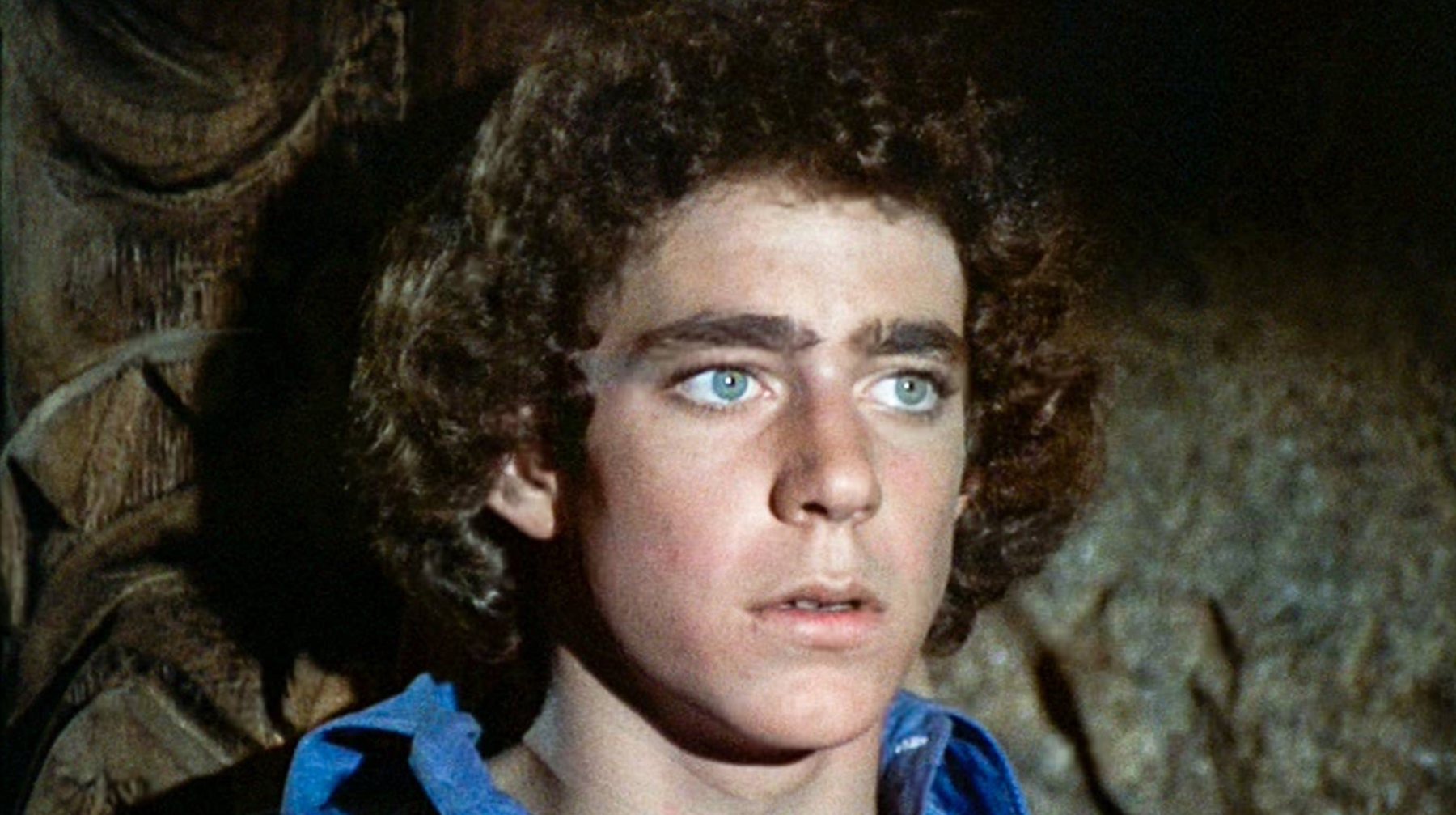
One of the most recognizable objects from The Brady Bunch has apparently spent decades in the possession of the actor who played Greg Brady.
During a September 2026 appearance at RetroCon in Oaks, Pennsylvania, Barry Williams revealed that he still owns a tiki prop associated with the sitcom's famous Hawaii storyline.
The revelation came during a fan question-and-answer session, when Williams was asked whether there was anything from the series he wished he had taken home.
His response was simple.
He already had the object he wanted.
The tiki.
For fans of classic television, the revelation brings renewed attention to one of the most memorable props from the show's original run.
For collectors, it offers a fascinating example of how original television production artifacts can survive for decades outside conventional studio archives.
The Brady Bunch Goes to Hawaii
The Brady Bunch aired on ABC from 1969 to 1974.
The family sitcom followed Mike and Carol Brady and their six children as they navigated everyday family life.
In September 1972, the series introduced a memorable three-part storyline set in Hawaii.
The episodes, commonly known as the Hawaii trilogy, took the Brady family away from their familiar California home and into an adventure involving a mysterious tiki.
The object became central to a series of strange incidents affecting the family.
Greg Brady, played by Barry Williams, was among the characters involved in the storyline.
The episodes became some of the show's most recognizable adventures, helped by their unusual setting and supernatural comedy elements.
The Tiki That Became Television History
The tiki served as more than background decoration.
It was a recognizable story element around which much of the Hawaii adventure unfolded.
Its appearance helped connect the episodes' events.
For television audiences, that made the object memorable in a way that ordinary set dressing often is not.
A prop that appears repeatedly or becomes central to a storyline can develop a particularly strong association with a production.
The Brady Bunch tiki is an example of how a relatively small object can become an enduring part of television history.
Decades after the episodes first aired, fans continue to recognize the artifact and its connection to the series.
Barry Williams Reveals What He Kept
At RetroCon in September 2026, Williams was asked whether there was a particular object from The Brady Bunch that he wished he had retained.
According to a September 27 report by Parade, the actor revealed that he owns the tiki.
Williams explained that he encountered the prop years later while working as a producer on a television movie.
His account indicates that the object survived beyond the original sitcom's production and was subsequently recovered by someone directly associated with the series.
The story is particularly interesting because it suggests the prop remained within the broader world of entertainment production for some time.
However, the publicly reported account does not provide a complete inventory history or identify every location where the object was stored.
Those details would require additional documentation.
Why Actor Ownership Matters
An original production artifact associated with the actor who appeared alongside it can have an especially compelling history.
Actors sometimes retain costumes, props or other objects connected to their careers.
In some cases, those items remain in private possession for decades.
This creates a different preservation history from an object that remains continuously in studio storage.
An actor's firsthand account can provide important information about how an artifact was acquired or retained.
However, ownership history and screen-use authentication are separate questions.
A recognizable prop may have been manufactured in multiple versions.
An actor may possess a production-used example, a backup or another object associated with the same production.
Williams' account establishes his claim of ownership and his association with the tiki.
Identifying the exact object's appearances on screen would require item-specific evidence.
Could There Have Been More Than One Tiki?
Film and television productions sometimes manufacture multiple versions of important props.
Duplicates may be needed for continuity, filming schedules, stunt work or replacement.
Some versions may be used for close-ups.
Others may be designed for physical action or specialized filming requirements.
This is a general production practice, not confirmation that multiple Brady Bunch tikis were manufactured.
The number of original examples made for the Hawaii storyline has not been established by the September 2026 report.
Collectors should therefore avoid making unsupported claims about an object's uniqueness.
Descriptions such as "the only surviving tiki" or "the exact tiki used in every episode" would require additional evidence.
The Difference Between a Hero Prop and Set Dressing
Movie and television memorabilia is often categorized according to how an object was used.
A hero prop generally refers to an object intended for prominent use or close-up photography.
Background props and set dressing help establish the visual environment.
The tiki's narrative importance makes it an especially recognizable production object.
However, a collector should not automatically apply a technical production designation without supporting records.
The terminology used by a production department may differ from the language used by collectors decades later.
Accurate identification should focus on the object's documented role.
How to Authenticate a Classic Television Prop
Authenticating an object from a television production that ended more than 50 years ago can be challenging.
Studio paperwork may be incomplete.
Original inventory labels may have disappeared.
Production photographs may not show every detail.
The object itself can provide useful evidence.
Distinctive surface marks, construction features or repairs may help identify an individual example when compared with clear screen images.
Provenance can also be valuable.
Documentation connecting an object to a cast member, crew member or studio may support its production history.
However, no single type of evidence should automatically be treated as conclusive.
The strongest authentication combines reliable ownership history with physical and documentary evidence.
Why Original Television Props Sometimes Survive
Many television productions were created without the expectation that individual props would become valuable historical artifacts.
Sets were dismantled.
Wardrobe could be reused.
Props and furnishings might return to rental inventories or storage.
Some objects were retained by production personnel.
Others were transferred, discarded or repurposed.
These general practices help explain why the survival of a recognizable television prop can be noteworthy.
An artifact that remains identifiable decades after a series ends offers a physical connection to the production.
Its preservation may also depend on the decisions of people who recognized its significance.
The Importance of Preserving Original Condition
An original television prop can carry evidence of its production history.
Paint finishes, repairs, identifying marks and signs of handling may all provide useful information.
Cleaning or restoration can unintentionally remove those details.
For older objects, preservation should begin with careful documentation.
Photographs of the artifact's current condition, measurements and any surviving labels can help establish a record for future research.
Storage materials and environmental conditions should be selected according to the object's actual construction.
The goal is to preserve both the physical object and the information associated with it.
A Remarkable Connection to Classic Television
The Brady Bunch tiki has remained recognizable for more than half a century.
What began as a story element in a family sitcom became part of the show's enduring cultural identity.
Barry Williams' recent comments add another chapter to that history.
The actor who portrayed Greg Brady says he still possesses the famous object.
For fans, the revelation offers a connection to one of television's most memorable vacation storylines.
For collectors, it illustrates the importance of documenting original production artifacts and the people who preserved them.
A prop does not have to be enormous, elaborate or expensive to become historically significant.
Sometimes a small object can carry the memory of an entire television episode.
And occasionally, that object survives long enough for the people who helped make it famous to tell its story.