
Tim Burton Revisits The Nightmare Before Christmas and Its 227 Handmade Puppets
A new interview with Tim Burton celebrates the handmade craftsmanship behind The Nightmare Before Christmas, a stop-motion classic created with 227 puppets and more than 109,000 photographed frames.
More than three decades after its release, The Nightmare Before Christmas remains one of the most recognizable examples of handmade animation in movie history.
Its characters have appeared on everything from clothing to holiday decorations, but the film's extraordinary visual world began with physical puppets, miniature sets and painstaking frame-by-frame photography.
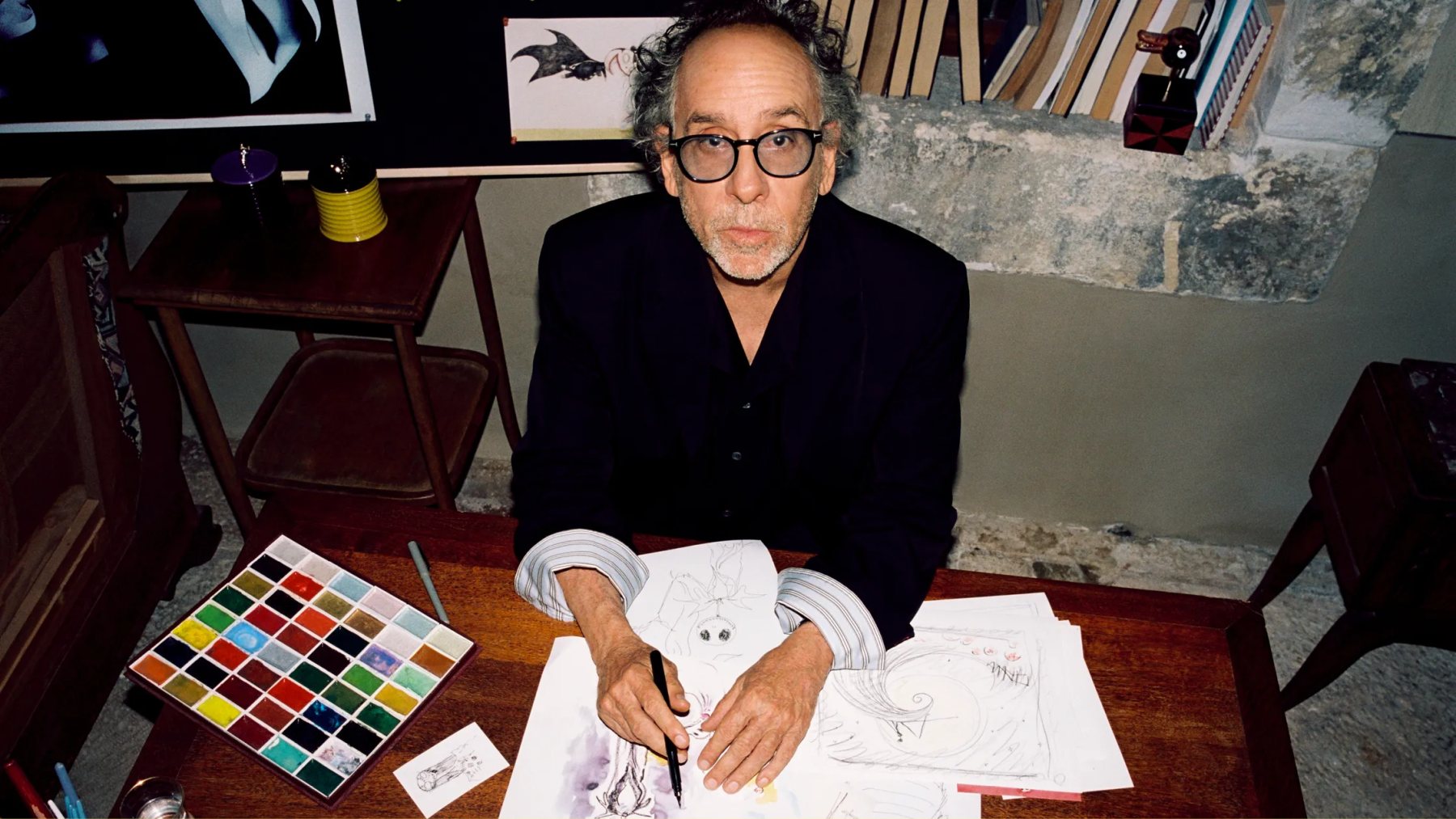
In a November 4, 2026 interview with Vanity Fair, Tim Burton reflected on the craftsmanship behind the film and why physical filmmaking continues to hold special meaning for him.
The conversation coincides with a new collaboration between Burton and fashion house LOEWE, which has been given access to the film's archive for a collection launching November 12.
For collectors of original movie props and production memorabilia, the renewed attention offers an opportunity to examine the handmade objects that brought Halloween Town to life.
A Movie Built One Frame at a Time
Released in 1993, The Nightmare Before Christmas was directed by Henry Selick and produced by Tim Burton, who developed the original story and characters.
Unlike conventional live-action filmmaking, stop-motion animation requires artists to manipulate physical objects between individual photographs.
A puppet is positioned, photographed, adjusted and photographed again.
When the resulting images are played in sequence, the character appears to move.
The production involved 227 puppets and 109,440 photographed frames, according to figures highlighted in Vanity Fair's November 2026 coverage.
Behind those numbers were artists responsible for fabrication, animation, set construction, lighting and countless other details.
The result was a complete fictional world built through physical craftsmanship.
Jack Skellington Was More Than One Puppet
Audiences recognize Jack Skellington as a single character.
But stop-motion filmmaking can require multiple physical versions of a character, along with replacement parts and specialized components.
Different facial expressions, poses and actions may require separate fabrication solutions.
This creates an important distinction for collectors.
An original character puppet, an interchangeable head, a replacement hand and a production mold can all represent authentic material from the same film.
However, they are not necessarily equivalent artifacts.
Their individual production histories determine how they should be identified.
A surviving component should not automatically be described as a complete screen-used puppet.
The Miniature Sets of Halloween Town
The film's environments were equally important to its distinctive appearance.
Halloween Town, Christmas Town and the characters' interiors were designed as physical spaces for animation.
Miniature buildings, furniture, scenic details and other objects helped create a world with exaggerated proportions and unusual architectural shapes.
These objects occupy an interesting place in the history of movie memorabilia.
A miniature chair or decorative element may appear insignificant when separated from its set.
Yet its placement within a recognizable scene can make it an important piece of production history.
The original scale, materials and construction techniques also reveal how the filmmakers achieved their visual effects.
Tim Burton Celebrates Handmade Filmmaking
In his November interview, Burton discussed the tactile qualities of stop-motion animation.
His comments reflected an appreciation for the human craftsmanship behind physical filmmaking, particularly as digital technology and artificial intelligence become increasingly prominent.
That distinction is central to the enduring appeal of The Nightmare Before Christmas.
The film's characters were not merely digital representations of imagined objects.
They were physical creations manipulated by artists.
Their textures, imperfections and construction details contributed to the finished images.
The original puppets and sets therefore represent both the fictional world of the movie and the practical work required to create it.
A New Collection Draws on the Film's Archive
The renewed attention comes as LOEWE prepares to release a collection inspired by The Nightmare Before Christmas on November 12, 2026.
According to the fashion house, its designers received unprecedented access to the film's archive.
The collection reinterprets familiar characters and imagery through leatherwork, embroidery and other fashion techniques.
This is an example of how original production archives can continue to influence contemporary creative work.
However, the new products are modern licensed interpretations.
They should not be confused with original props, puppets or costumes made for the 1993 production.
The distinction between archive material and merchandise inspired by that archive is essential.
What Makes an Original Stop-Motion Puppet Authentic?
Authentication of stop-motion memorabilia can be unusually complex.
An object may resemble a familiar character while having been manufactured years after the original film.
Licensed replicas, promotional displays and later reproductions can closely resemble production-made material.
Collectors should seek evidence connecting an individual object to the original production.
Useful documentation may include fabrication records, studio inventory information, behind-the-scenes photographs or records from the animation department.
Physical characteristics may also help identify a particular puppet or component.
However, visual similarity alone does not prove screen use.
Even a genuine production-made object may have been a test, unused backup or development example.
Why Preserving Animation Puppets Is Difficult
Stop-motion puppets can contain combinations of metal, foam, fabric, paint, adhesives and flexible materials.
Different components may age at different rates.
Foam can deteriorate.
Painted surfaces may crack.
Internal structures can become unstable.
The small scale of certain components makes repairs especially challenging.
A well-intentioned restoration could remove original paint, replace distinctive fabrication details or alter a puppet's appearance.
For these reasons, original animation artifacts benefit from careful documentation and conservation planning.
Preserving their history is often more important than making them appear newly manufactured.
The Difference Between Production History and Merchandise
Few animated films have inspired as much recognizable merchandise as The Nightmare Before Christmas.
Jack Skellington and Sally appear on clothing, decorations, collectibles and countless other products.
Those items can have their own collecting appeal.
But their connection to the movie is fundamentally different from that of an original production artifact.
A modern licensed figure represents the character.
An original production puppet helped create the character's appearance on screen.
That difference is the foundation of production memorabilia collecting.
The Lasting Legacy of Handmade Animation
The Nightmare Before Christmas continues to resonate because its world feels tangible.
Every character movement required deliberate artistic choices.
Every miniature environment needed to be constructed and photographed.
The film's remarkable visual identity emerged from thousands of individual contributions.
Burton's latest comments serve as a reminder that physical filmmaking remains an important part of cinema's history.
For collectors and preservationists, the surviving puppets, components, drawings and sets represent more than recognizable characters.
They are evidence of the artists who brought those characters to life.
And as the film continues to inspire new generations, preserving that original craftsmanship becomes increasingly important.