
Crystal Lake's Costumes Are Hiding Friday the 13th History in Plain Sight
Costume designer Cristina Spiridakis recreated some of Friday the 13th's most recognizable wardrobe details for Crystal Lake. Those tiny details also demonstrate how costume construction can eventually help authenticate production wardrobe.
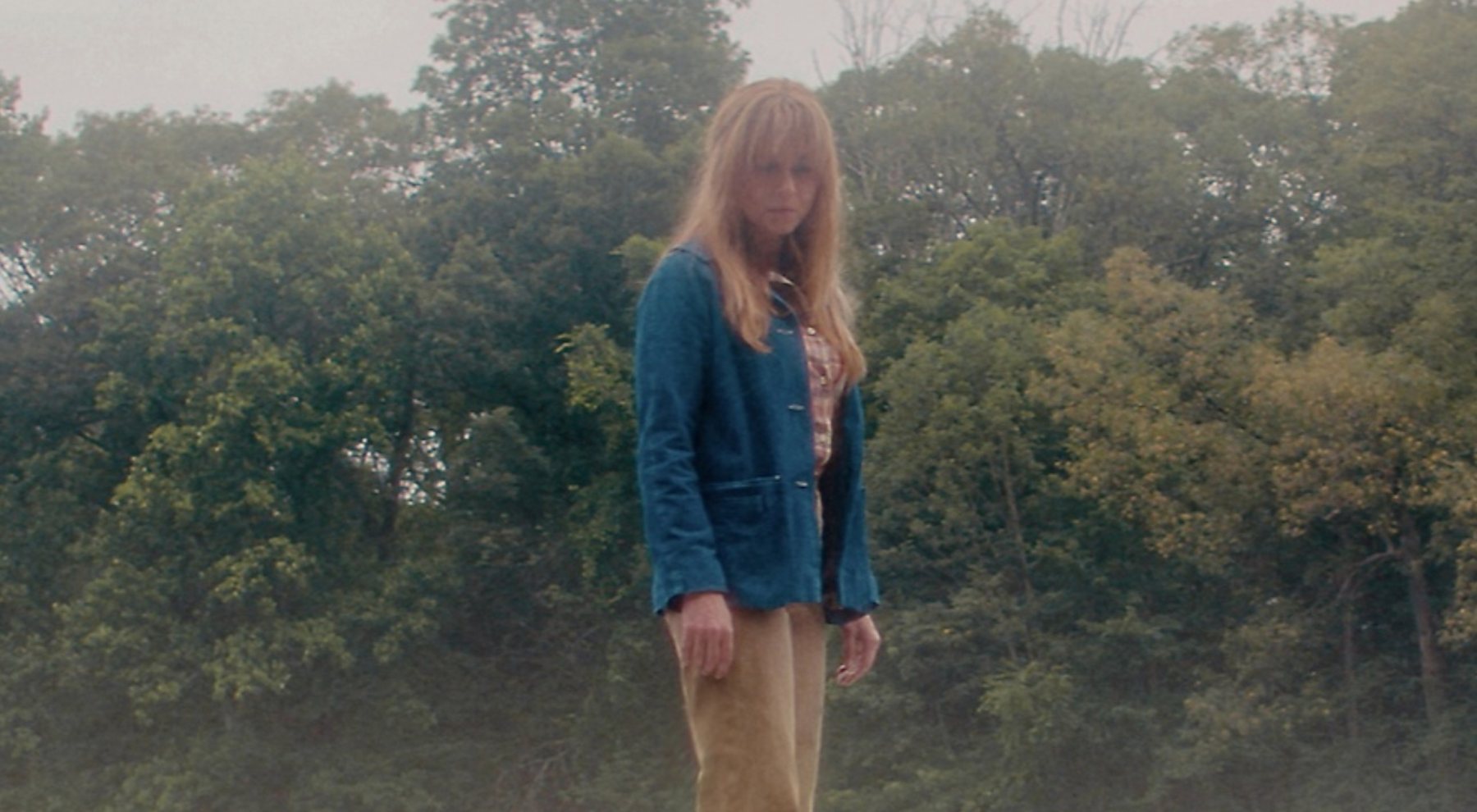
For fans of Friday the 13th, Pamela Voorhees' blue sweater is much more than an ordinary piece of clothing.
It's part of the visual identity of the franchise.
So when costume designer Cristina Spiridakis began building the wardrobe for Crystal Lake, recreating that familiar sweater wasn't simply a matter of finding something approximately the same color.
The production went back to the original.
And the story of how it was recreated demonstrates something important about collecting movie and television wardrobe: sometimes the smallest details are the most useful.
Recreating Pamela Voorhees' Sweater
Crystal Lake takes place in the 1970s, while the original Friday the 13th was released in 1980.
That meant Spiridakis couldn't simply duplicate Pamela's original costume without considering the different period.
Instead, the production adapted the familiar sweater into a late-1960s silhouette appropriate for Linda Cardellini's version of Pamela.
According to Spiridakis, the costume department provided knitwear designer Maria Ficalora with clear reference images of the original sweater.
Ficalora replicated the knit pattern while adapting it to the silhouette and fit needed for the new production.
That custom version was primarily used for beauty shots.
Then They Needed More Than One
This is where the story becomes especially interesting to costume collectors.
Productions frequently need multiples.
After the custom sweater was established, additional examples were manufactured using the original recreation as the reference.
Why?
Continuity.
Stunts.
Damage.
Blood.
Multiple shooting units.
Backup wardrobe.
A costume that appears to be one garment throughout a finished movie or television episode may actually be several nearly identical garments.
That's why identifying a production costume often requires more than knowing the character who wore that style.
The Easter Eggs Go Deeper Than Pamela's Sweater
Spiridakis and her team deliberately incorporated wardrobe references to the original Friday the 13th.
One background performer wears a green jersey with "00" recalling clothing seen in the original film.
Ralph's unusual fishing hat was also recreated.
Rather than simply buying a finished replica, the costume department assembled its own version using a modern hat combined with material taken from an old, deteriorated vintage hat. Textile artist Rob Christie then heavily distressed the piece.
These details may appear for only moments.
For collectors, however, they can become extremely useful.
Tiny Details Can Become Authentication Clues
Imagine that one of these costumes enters the collector market 20 years from now.
At first glance, it might resemble something that could have been purchased from a normal clothing store.
But closer examination might reveal much more.
A custom knit pattern.
A replaced ribbon.
Hand-applied distressing.
An alteration made specifically for the actor.
A production wardrobe label.
A repair visible in continuity photographs.
These characteristics can help distinguish production wardrobe from an ordinary same-make garment.
Same-Make Doesn't Mean Production-Used
This distinction becomes especially important when costume departments use commercially available clothing.
Finding the exact brand, style and color worn by an actor can be exciting.
Collectors often call that a "same-make" item.
But purchasing the same shirt from a store doesn't make it production wardrobe.
For an object to have a production connection, there needs to be evidence establishing that the specific garment entered the production.
That might include studio provenance, wardrobe tags, production paperwork, direct sourcing or other documentation.
Sometimes physical characteristics can provide additional evidence.
But appearance alone isn't provenance.
Distressing Can Be Evidence
One of the most interesting details in the Crystal Lake costume story is Ralph's wardrobe.
The costume department intentionally destroyed and dirtied pieces to create the character's appearance.
Fake blood, wear, grime and other distressing weren't damage that happened after production.
They were part of the costume design.
That matters to collectors.
Cleaning a production costume until it looks new can sometimes erase exactly the details that connect it with what appeared on screen.
Before restoring or cleaning original wardrobe, it's important to understand whether the "damage" was actually created by the costume department.
Costume Design Is Storytelling
Crystal Lake also uses wardrobe to separate Pamela from the world around her.
The town was designed around a brighter color palette, while Pamela generally occupies deeper, darker tones.
In flashbacks involving Jason, her palette becomes somewhat brighter.
These choices aren't accidental.
Costume designers use color, silhouette, fabric, wear and accessories to tell audiences things about a character before anyone says a word.
Years later, those same choices can become clues researchers use to identify where a surviving costume belongs in the story.
Look Closer
To most viewers, Pamela Voorhees is simply wearing a blue sweater.
To a costume designer, it's a carefully researched piece connecting a new production with a film released decades earlier.
To a collector, it can be something else again: an artifact filled with construction details, alterations and physical characteristics that help tell its production history.
That's one of the joys of collecting original film and television wardrobe.
Sometimes the evidence isn't hidden in a certificate.
Sometimes it's stitched directly into the costume.